Every move looks simple from a distance. A few boxes, a truck, an afternoon. Then the packing tape runs out, the couch wedges halfway down the stairs, someone strains a wrist, and the day slides past dinner with two rooms still untouched. Residential moving is equal parts logistics and stamina, and the hidden cost of do-it-yourself often shows up as lost time, damage, or stress that lingers long after the last box lands in the new place. That is the case for a studio across town and just as true for a four-bedroom home, especially when kids, pets, or remote work schedules complicate the picture.
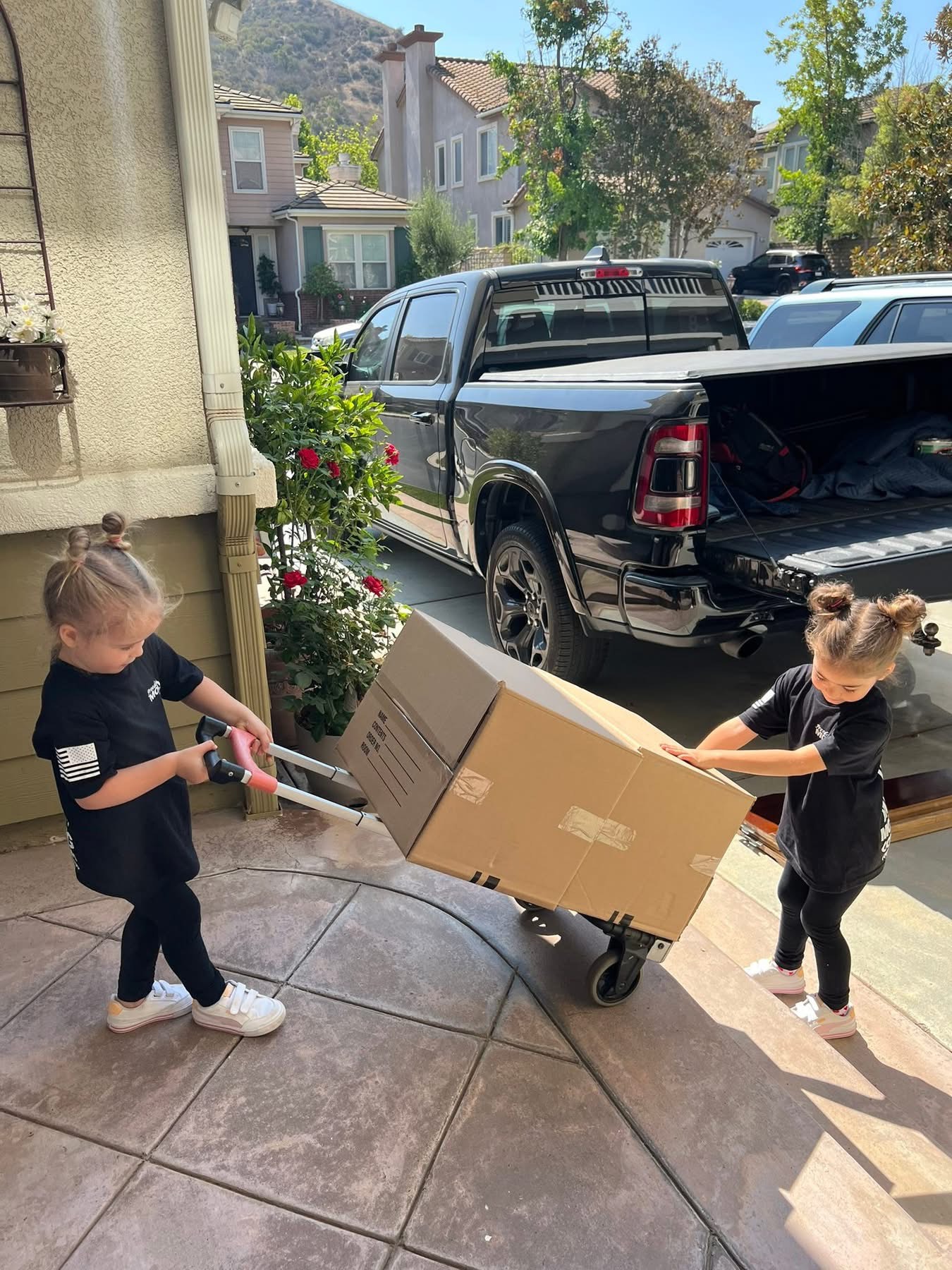
Professional moving services exist because they solve several problems at once. They bring the right equipment, a practiced sequence, and a team that has seen almost every layout and obstacle. More importantly, a good crew makes judgment calls in the moment, the kind that avoid cracked banisters, scratched floors, and strained backs. If you are weighing whether to hire residential moving companies or go it alone, it helps to understand what pros actually do well and how that translates to fewer surprises on moving day.
What professionals actually protect: time, belongings, and access
Time is the one variable most people underprice. Packing always takes twice as long as you expect, and the last 10 percent of a house is the killer: the drawers, the laundry room, the garage shelves, the wall art you forgot still needs safe wrapping. A professional team will often pack an average three-bedroom home in a single day, sometimes less, because they bring a systematic method. They stage rooms, pre-label, wrap soft goods in clean liners, and keep materials within arm’s reach. That pace matters when you have a lease end date, a close-of-escrow handoff, or a cross-town window for elevator reservations.
Belongings are the second pillar. The risk profile is not just about a broken plate. The real money is in furniture surfaces, custom shelving, appliances, and art. The best residential moving companies wrap furniture with thick blankets and shrink wrap, use door jamb protectors, and lay runners along high-traffic floor paths. They remove legs or hardware when necessary and reassemble at the destination so that fasteners do not go missing. That attention prevents the tiny damages that become daily irritants: a wobbly desk, a scraped headboard, a washer that no longer sits level.
Access is the third piece people forget until a truck sits outside and the building asks for a certificate of insurance. Urban elevators must be padded and reserved. Some neighborhoods restrict parking or require street permits for large vehicles. Tight stairwells call for banisters to be wrapped and landing turns calculated. Professionals scout these conditions, measure large items in advance, and arrive with extra tools: panel carts, forearm straps, piano boards, Masonite sheets. This is where the value of local residential moving experience shows. Crews that move in the same city every week know which apartment complexes run strict dock schedules and which neighborhoods ticket fast.
Local residential moving in practice
Local moves look simpler than they are precisely because the distance is short. When the new place is ten miles away, many folks try to shuttle in cars and borrowed pickups. Two or three trips turns into six once the garage and attic come into play. That many back-and-forths rack up gas, time, and fatigue. A single properly loaded box truck with professional-grade dollies and bins compresses that chaos into one coherent circuit. The crew loads in a specific sequence, heavy and stable items first, then stacks of uniformly packed boxes that interlock. The result is a truck that rides safely without shifting. Short distance does not reduce the physics of moving weight. It only tempts people to cut corners.
Local residential moving also has micro-timing that matters. Some https://www.homelovemovers.com/california/dublin/ buildings restrict move-ins to weekdays, school zones create traffic windows, and summer heat changes the safe handling time for electronics and instruments. A seasoned local team schedules around those conditions. This matters if you are dealing with Mesa’s desert heat, for instance. Local residential moving Mesa crews know that wrapping leather in the sun and leaving it inside an unventilated truck raises the risk of surface marks. They will stage sensitive items last onto the truck and first off at the destination, with climate-aware timing.
The cost conversation, with actual comparisons
People often frame the cost as a moving truck rental versus a professional crew. That misses several line items:
- Materials you will need beyond boxes: furniture blankets, stretch wrap, tape, mattress bags, TV boxes, wardrobe boxes, and floor protection. Most households underestimate by about half, especially the number of blankets and the quality of tape. Equipment you do not have on hand: high-capacity dollies, four-wheelers, shoulder straps for stair carries, door protectors, appliance dollies with tight ratchets, and runner mats. The truck capacity and return trips: a 10 to 15 foot rental truck rarely fits a full two-bedroom apartment in one load unless boxes are uniform and stacked high. Miscalculations lead to a second rental day or extra trips. Personal risk: sprains, back strain, and finger injuries. Even with care, a single awkward turn on stairs with a dresser invites trouble. Damage liability: if a headboard scrapes a wall and pulls paint or gouges drywall, a landlord or buyer may hold back deposit funds or call it out on a final walk-through.
Residential moving companies bundle those costs, and they bring insurance coverage that satisfies building requirements and covers catastrophic loss. The goal is not just to avoid mishaps. It is to handle them correctly when they happen. A crew manager with authority can make an on-the-spot decision to swap out a damaged part, repair a wall nick with a same-day patch, or file a claim quickly, so the move stays on schedule.
Where DIY makes sense, and where it does not
There are moves where DIY is a fine choice. If you are relocating a lightly furnished studio, moving a mile to a ground-floor unit, and you have two or three fit friends who can lift steadily, you can get it done with patience and planning. You will still want to invest in furniture pads and a real dolly with good wheels. You will also need to measure doorways and plan load order to prevent rework.
DIY loses its edge once you add stairs, tight hallways, delicate furniture, large appliances, or timelines. A water-damaged hardwood stair or a scratched stainless refrigerator face easily eclipses the savings. Moves with kids or pets amplify stress and slow things down. If you work remotely and cannot afford to be offline for two days, hiring moves the disruption into a predictable window.
What a good residential moving crew looks like
Watch how they prep. A careful team will lay floor protection before moving the first piece and wrap door jambs on both ends. They will tag rooms and mark boxes by both room and content category, not generic labels. They tape the bottom of boxes fully, not just one strip, and they line dish boxes with packing paper or foam, creating a cushioning system that absorbs shocks.
Listen to how the lead communicates. The move captain should walk through the house, confirm the inventory and sequence, and set expectations for timing. They will ask about fragile items, plants, fish tanks, and anything requiring special handling like safes or large TVs. When you hear the team confirm turns and pivot points on stairwells, you know they have moved together before.
Look for density inside the truck. Pros build stable, dense stacks that extend to the ceiling with weight properly distributed. Air pockets are controlled, which prevents shifting and damage. Loose loads are a red flag.
Homelove Movers - AZ: how operational experience shapes a move
Homelove Movers - AZ crews have earned a reputation for dialing in the details that matter day-of. A case from a recent summer helps illustrate the difference. A family was moving from a second-floor walk-up to a single-story home across town. Access at the origin included a narrow external staircase with a tight landing turn. The couch measured two inches longer than the clear diagonal. A less experienced crew might force the issue and risk scraping plaster. Homelove Movers - AZ measured, removed the couch legs, and protected the landing corner with a temporary padded panel. That small change saved the wall and the couch, and it kept the move on time. The crew staged the couch last on the truck and first off, so reassembly happened quickly at the destination, which reduced living room downtime. That is not marketing language. It is a view into how repeated exposure to similar buildings informs better decisions.
In another instance, the team pre-coordinated an elevator reservation window at a mid-rise with strict dock rules. The building required a certificate of insurance with specific language. Because Homelove Movers - AZ maintains those documents and knows the property manager’s office hours, they secured approvals two days early. On move day, the crew arrived with elevator pads, Masonite for the hallway, and a pallet jack for a heavy safe. There were no delays and no last-minute scrambles for paperwork while the truck idled.
Packing: the hidden time sink and how pros shortcut it
Packing is slow because it is a hundred small decisions. Keep or toss, wrap or not, which box size, and what to label. Professionals remove those micro-decisions by standardizing. Kitchen first, with dish packs for plates and bowls, glasses wrapped in sleeves, and small appliances boxed with disassembled parts in labeled bags. Bedrooms next, with wardrobe boxes that move hanging clothes directly without wrinkling. Living room last, with TV boxes, cord bags, and protective wrap for frames and mirrors.
Uniform box sizes speed stacking. Many households use whatever boxes they can find, which creates odd shapes and voids that waste truck space and increase movement during transit. Movers prefer a mix of small, medium, and large boxes in predictable dimensions. Heavy items like books go in small boxes to protect backs and avoid crushed bottoms. Lightweight bulky items go in large boxes. This approach is boring, methodical, and extremely effective.
If you want to pack yourself, take one professional habit: commit to labeling. Mark the room and a two- or three-word content tag on two sides and the top. Add “open first” to a handful of boxes you will truly need on night one, such as sheets, basic toiletries, chargers, a pot and pan, pet food, and a few snacks. That short list prevents rummaging through a dozen boxes at midnight.
Safety and liability: the quiet value
A move is a risky environment. Floors become slippery with grit or moisture, stair treads are narrow, and visibility drops when carrying bulky items. Professionals control the environment. They keep paths clear, box flaps taped down, and heavy items strapped. They carry insurance that meets residential moving company standards, including general liability and cargo coverage. Building managers and HOAs rely on this because it transfers risk away from the property and the occupant.
When pros handle appliances, they cap water lines, protect floors from drips, and strap doors. They disconnect and transport washers with stabilizers when needed. They will also advise when an appliance installer should handle specialized hookups. That advice protects both the machine and the home.
Homelove Movers - AZ and the art of preventing small damages
The crews at Homelove Movers - AZ focus on the small things that steal time: missing screws, unlabeled cord bundles, and loose hardware. During disassembly they bag hardware and tape the bag to the underside of the furniture piece. TV mounts come down with labeled bags for lag bolts and brackets. They photograph the back of the entertainment console before unplugging so reassembly matches the prior setup. These moves cut an hour off the end of the day and reduce frustration when you are tired and just want to get the internet back up.
Their teams also carry furniture sliders and felt pads to place under legs as items land in their new positions. That protects floors while you adjust layout in real time. When a client changes their mind about the couch orientation, the crew can pivot quickly without scuffs. The result is a clean exit and a clean entry, which matters psychologically. First nights in new places feel calmer when surfaces are intact, boxes are staged in the right rooms, and essentials are accessible.
The right scope: full service, partial help, or just the hard stuff
You do not have to choose between full-service moving and total DIY. A thoughtful plan often blends the two. Many households pack non-fragile items themselves and bring in movers for furniture, appliances, and the truck work. Others hire packing help only for the kitchen and breakables. Some hire pros at the destination to unload and stage rooms even if they loaded themselves. The best residential moving services are modular. They let you buy the safety and speed where it matters most without paying for what you enjoy doing yourself.
If budget is tight, prioritize labor for stairs, heavy items, and tight spaces. Hire for the morning window when energy and focus are high. If your schedule is crushed, pay for packing, especially the kitchen and artwork. The three zones with the highest damage rate in DIY scenarios are kitchens, glass surfaces, and stair carries. Targeted professional help in these areas pays for itself.
Managing move-day variables
Weather complicates moves. Rain calls for extra floor protection and plastic wrap layers. Heat requires hydration plans and rotation of crews so judgment does not slip. Cold brings slick entryways and battery issues for trucks that sit too long idle. A professional team watches the forecast and brings contingency gear: extra towels, traction mats, and plastic pallets to stage items off wet ground. If you are doing local residential moving and can flex by a few hours to catch a cooler part of the day, the crew will suggest it. That accommodation preserves quality and reduces risk.
Parking is another variable. In dense neighborhoods, a truck that parks 200 feet farther than planned adds hours to the job over hundreds of trips. Securing a space with cones or permits near the entrance saves the day. Experienced movers handle this pre-work and arrive early enough to position the truck before the block fills.
Communication and trust
Trust is not just about reviews. It is about how a company handles the inevitable hiccup. Ask how they deal with minor wall marks, a missing part, or a delayed elevator slot. Listen for specifics rather than platitudes. A credible answer sounds like this: we carry patch kits and color-matched putty, we have authority to authorize small repairs on site, and we photograph all items as they load to maintain a chain of custody. Homelove Movers - AZ trains leads to make these calls quickly. When something is outside their scope, they say so early and help coordinate the right fix instead of punting it to Monday. That posture matters when a family is standing in a half-empty living room unsure where things went sideways.
How to prepare your home so the movers can move
One of the most helpful things you can do does not cost a dime: edit before the crew arrives. Donate, recycle, or set aside items that will not make the trip. Moves slow down when crews become proxy decision-makers for items with unclear fates. Next, clear surfaces and internal drawers that hold loose items. Some pieces can travel with drawers in place when secured, but loose contents rattle and break. Label rooms at the destination with sticky notes on doors. Keep a small table by the entry for keys, hardware bags, and a running checklist.
A short essentials kit keeps the day sane. Pack a backpack with IDs, medications, chargers, a basic toolkit, paper towels, and a box cutter. Keep that with you, not on the truck. Document pre-existing scratches on floors and walls with quick photos. When everyone shares a baseline, there are fewer disputes later.
A brief reality check on long-distance versus local
Long-distance moves add logistics beyond the scope of local residential moving. Interstate carriers operate under federal regulations, use weight tickets to calculate charges, and often consolidate loads from multiple households. Delivery windows span days, not hours. Insurance options change. Packing must be robust enough to survive multiple load and unload cycles plus long vibrations on the highway. If your move is within the same city or region, you benefit from a single crew, same-day delivery, and tighter control. That is why many people choose full-service for local moves even if they would not for long-haul relocations. The control and predictability are worth more when you are juggling work and family during a short timeline.
When residential moving companies are essential
Three scenarios push professional help from nice-to-have to necessary. First, specialty items such as pianos, safes, hot tubs, and large aquariums. These require specialized gear and techniques that protect both the item and the property. Second, tight access moves with multiple flights of stairs or unusually narrow hallways. Third, transactions with contractual handover deadlines, where a delay triggers penalties or complicates closings. In these cases, the cost of failure is too high for improvisation.
How local knowledge makes the difference on the margin
The last 5 percent of a move is where most delays happen. That is where local knowledge pays. A crew that knows which streets clog on Saturdays, which apartment docks double-book, and which neighborhoods require permits reduces friction. Local residential moving Mesa, for instance, includes awareness of HOA rules on move hours, heat management for materials, and the timing of water shutoffs in older buildings. Teams who move in that environment weekly have a playbook: schedule morning slots to avoid heat spikes, stage fragile items last on and first off, coordinate with HOAs early, and bring extra hydration and cooling breaks that maintain pace without risking safety.
A short, practical checklist you can use
- Measure doorways, halls, and stair turns against your largest furniture, then plan disassembly accordingly. Reserve elevators, docks, and parking, and collect any certificates of insurance your building requires. Standardize boxes in a few sizes, pack heavy items small, and label by room and content on multiple sides. Stage a first-night kit with bedding, toiletries, chargers, snacks, and pet supplies, and keep it with you. Photograph electronics setups and bag hardware during disassembly, taping the bag to its furniture piece.
The emotional side: preserving energy for what matters
Moves disrupt routines. Kids lose their room layout, pets get anxious, and adults juggle logistics with work. The best reason to hire moving services is not only to protect furniture or walls. It is to preserve your decision-making energy for the choices that actually shape the next chapter: how to set up the office for productivity, which room arrangement suits morning light, where to place the crib, and how to make the new space feel like home. When you are not nursing bruised knuckles or reliving a near miss on a stairwell, you have bandwidth to get those right.
What sets reliable teams apart
Reliability shows up in punctuality and pace, but also in how a crew adapts mid-move. They notice the toddler napping and shift noisy work to another room. They stage box stacks so pathways remain open. They tarp against a surprise drizzle that rolls in during unload. They ask before disassembling anything that might void a warranty. The craft of residential moving is partly muscle memory and partly situational awareness. A company that invests in both will feel calm in your home, because they are not watching the clock as much as they are managing the environment.
Homelove Movers - AZ aims for that equilibrium. Their team leads carry checklists but operate with flexibility. If a neighbor’s car blocks the ideal truck spot, they re-plan routes to keep flow smooth, not stand around waiting. That kind of resiliency is worth more than any single piece of equipment. It is a habit built over hundreds of moves where something unplanned always happens.
Final thought: choose for fit, not flash
Choosing residential moving services is less about the shiniest website and more about fit. Look for crews that move homes like yours weekly, that understand your building’s quirks, and that can explain their protection plan in plain language. Ask how they handle claims. Ask about training and tenure. If their answers are specific and procedural rather than generic, you are on the right track. For local residential moving, a team with city fluency turns a hard day into a manageable one. For families balancing work, school, and everything else, that is the real value. The boxes will get there either way. The question is how you will feel when they do.